Bananas are my go-to breakfast fruit. They’re quick, versatile, and pair perfectly with everything from toast to oatmeal. But for the longest time, I hesitated to buy them. Why? Because no matter how carefully I selected them at the grocery store, they’d turn brown and mushy within a day or two of coming home. It felt like I was throwing money straight into the compost bin.
As someone who really hates wasting food, I was almost ready to give up on buying bananas altogether—until a small accident changed everything.
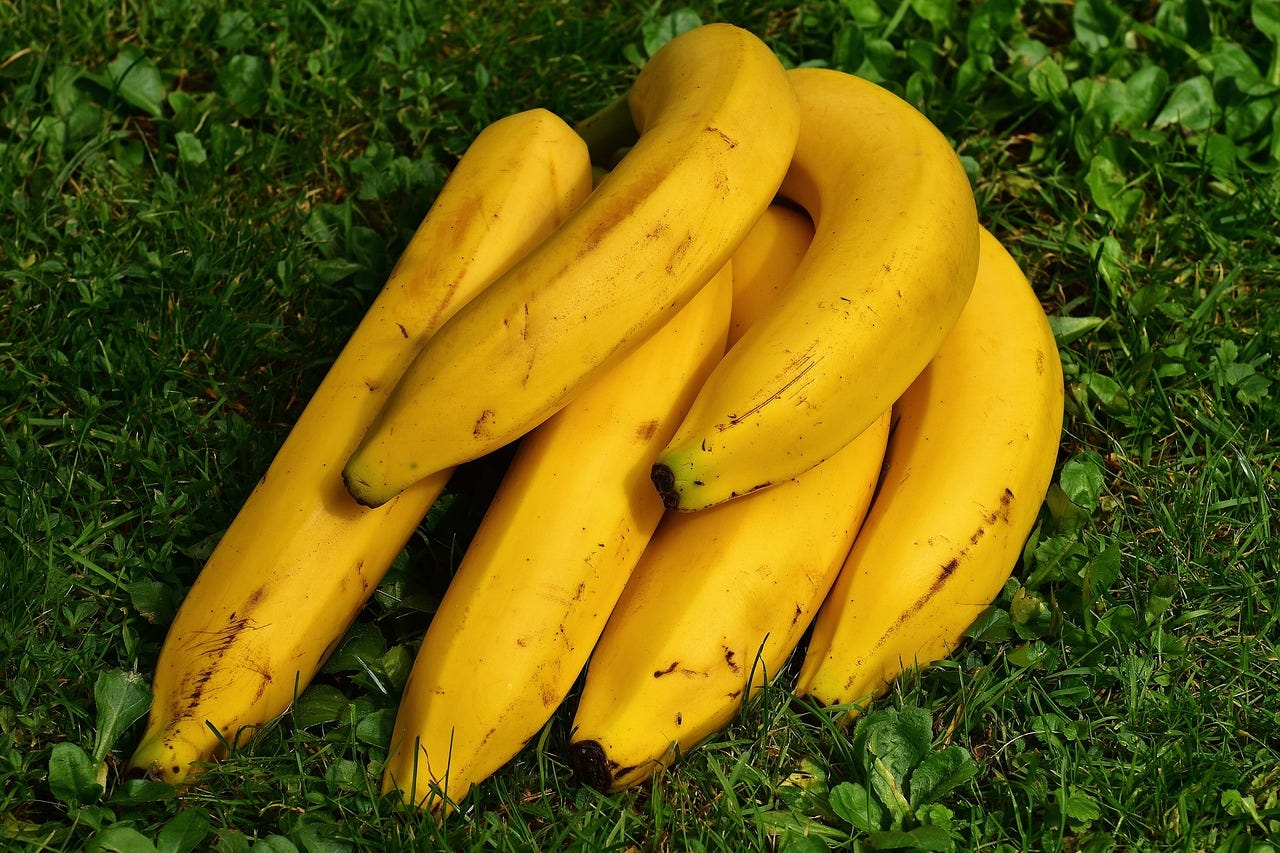
One day while unpacking groceries, I left the bananas on the kitchen counter instead of placing them in my usual fruit bowl. The next morning, I was surprised to see that they looked fresher and more yellow than any batch I’d bought in weeks. That got me wondering: was the fruit bowl the problem?
Turns out, yes.
The Ethylene Effect: Why Fruit Bowls Aren’t Always Ideal
:max_bytes(150000):strip_icc()/GettyImages-1084768756-9423aa7d1b8e4b3987d74826b3cd351d.jpg)
After digging into some research, I discovered that bananas are incredibly sensitive to ethylene—an invisible, odorless gas naturally released by most fruit. Ethylene helps fruit ripen (which is why apples can help ripen avocados), but too much of it concentrated in one place can cause produce to overripen or rot prematurely.
Bananas not only produce a lot of ethylene themselves, but they also don’t play well with others—especially ethylene-sensitive fruits like apples and avocados. So when I placed them in a fruit bowl, I was basically accelerating their demise without realizing it.