Iron is vital for oxygen transport, energy production, and overall health. Yet many people unknowingly live with iron deficiency.
Poor diet, pregnancy, heavy menstrual cycles, digestive problems, and certain lifestyle habits—like intense workouts, frequent blood donations, or vegetarian diets—can all increase the risk. Identifying symptoms early is crucial to avoiding long-term health problems.
Common Symptoms of Iron Deficiency
Constant Fatigue and Weakness
Feeling exhausted even after rest is one of the first warning signs. Without enough iron, hemoglobin production drops, reducing oxygen circulation. This leaves you drained, sluggish, and struggling with everyday tasks.
Pale Skin and Brittle Nails
Low hemoglobin can cause skin, lips, gums, and nail beds to look pale. Nails may also weaken or develop a spoon-like shape. These changes happen gradually, but if you notice them, a blood test is worth considering.

Shortness of Breath and Dizziness
Simple activities like walking up stairs can leave you breathless when iron levels are low. Lightheadedness and dizziness may also occur because the brain isn’t receiving enough oxygen.
Unusual Cravings (Pica Syndrome)
Craving ice, dirt, chalk, or paper—known as pica—is an unusual but common sign of iron deficiency. Though the cause isn’t fully understood, it may reflect the body’s response to nutrient imbalance.
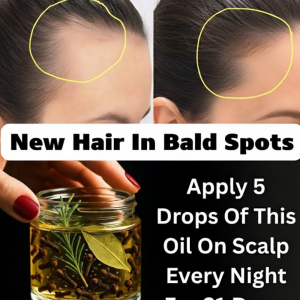
Hair Loss and Thinning
Since iron is needed for cell regeneration, low levels weaken hair follicles, leading to shedding and thinning.