
Suicide is a common issue worldwide. However, those suffering from a terminal illness, and low quality of life, have been given the option of assisted suicide in certain places. Now, Switzerland is set to go one step further, introducing the suicide pod, and it won’t require “medical supervision.”
The Suicide Pod Creator
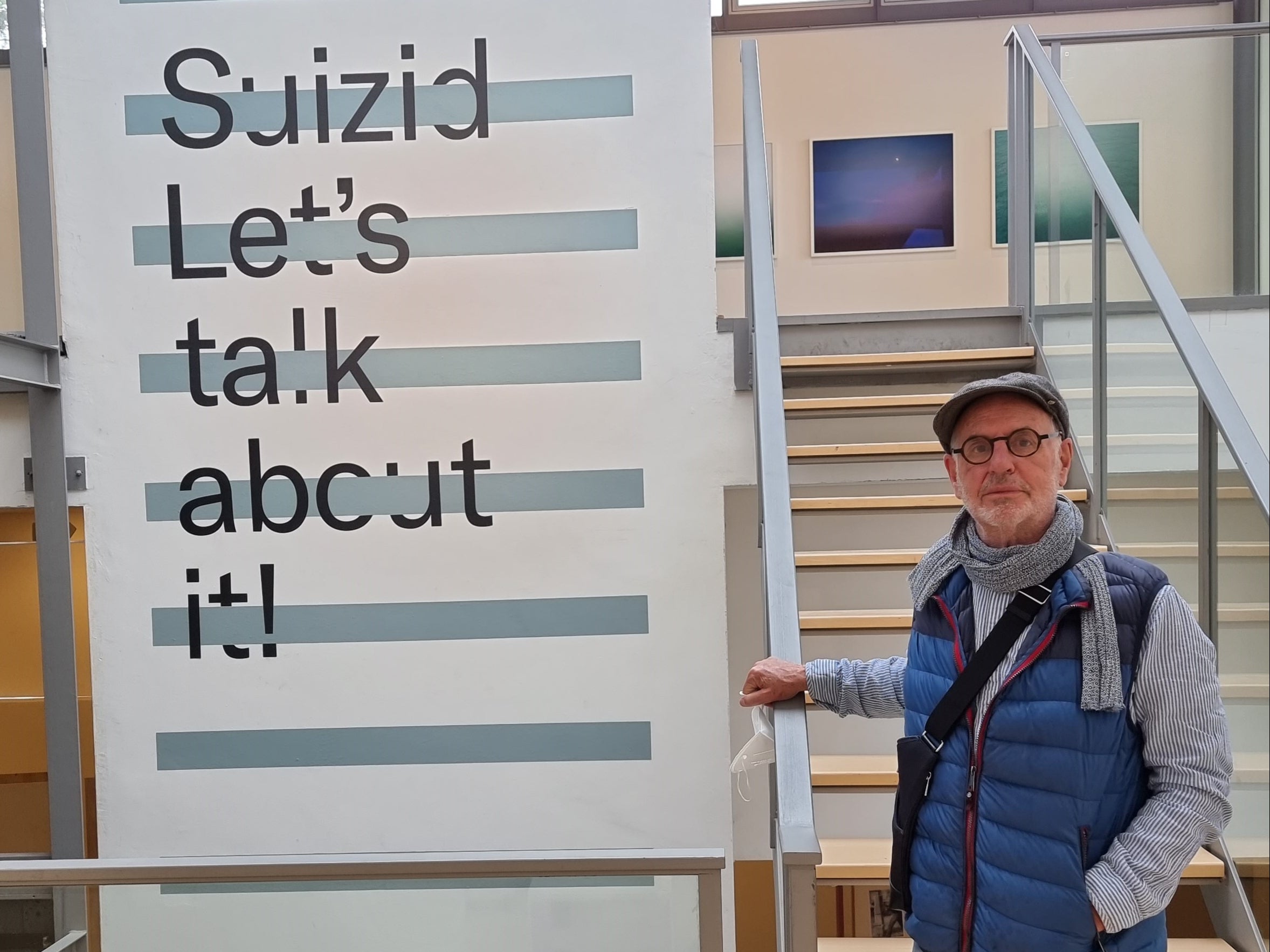
Philip Nitschke is a 76-year-old Swiss and the founder of Exit International. He’s notorious for “attempting to glamourize suicides.” However, he has a different perspective. The inventor of the suicide pod made something powerful that, if used correctly, could save resources and aid those without hope into a peaceful passing. However, little is known about death, and as such, “There is no reliable information about the method of killing, completely unclear who has control over which mechanical process during the dying process,” according to Philip.
How the Suicide Pod Operates

He explained how the suicide pod works, although there isn’t much known about the process. He shares that once the person is inside the suicide pod, there’s a voice that says, “If you want to die press this button”. After the button is pushed the oxygen levels in the suicide pod drop, going from 21% to 0.05% in 30 seconds. In place of oxygen, the suicide pod is filled with nitrogen. “They will then stay in that state of unconsciousness for … around about five minutes before death will take place,” the suicide pod creator said. “Once you press that button, there’s no way of going back.”
Help for Mobility Issues

Interestingly, a button isn’t the only way to activate the suicide pod. It can also be activated by a gesture, voice control, or eye movement, a feature that’s helpful for people with mobility issues or the inability to speak. The suicide pod, Sarco, is 3D-printed and was first unveiled in 2017 at the Nu-Tech Conference in Toronto, with a design that “suggests travel to a “new destination.”
Controversial Suicide Pod

Many in Switzerland have called for a ban on the suicide pod, referring to Article 115 of the Swiss Criminal Code.“Whoever, from selfish motives, induces another person to commit suicide or aids him in it, shall be confined in the penitentiary for not over five years, or in the prison, provided that the suicide has either been completed or attempted,” the code says. Meanwhile, a public prosecutor has “warned” about “serious consequences” to those who operate the suicide pods.
Legal Despite the Controversy

While assisted suicide has been legal in Switzerland since the 1940s, the suicide pod sparked some controversy but has since been welcomed by medical professionals. For example, Florian Willet works with an organization that “offers assisted dying to people with serious physical illnesses.” He explained Sarco will take part in its first assisted suicide “pretty soon.”
Privacy Regarding a Sensitive Matter

In contrast, there haven’t been any official plans regarding the time, date, or place of the first use of the suicide pod. Nor has a user been disclosed. Furthermore, it’s unknown if that information will be made public because “we really don’t want a person’s desire for a peaceful passing [in] Switzerland to turn into a media circus,” said Fiona Stewart, a lawyer on The Last Resort’s advisory board. Meanwhile, she explained that the suicide pod’s first use would likely be sometime this year. However, footage from inside the suicide pod is given to the coroner after the pod has done its job.
Help Is There, If You Seek It

Suicide is a touchy subject for many people, as nearly everyone suffers from, or knows someone who suffers from depression. While depression is something one can be born with, it’s also circumstantial and something that a person can develop if there’s recently been a major trauma or loss. Therefore, when a terminal or debilitating illness diagnosis comes up, it’s not surprising that a person might suffer from severe depression. Moreover, some people never mentally recover from their quality of life as their illness progresses.
Some things that may help with the process include:
- counseling and psychology
- social workers or online therapy
- palliative care services
If you’re feeling depressed and suicidal but aren’t facing a terminal or debilitating illness, you can reach out for support as well. Call or text the 988 Suicide & Crisis Lifeline or go to www.befrienders.org to find a hotline near you. Interestingly, Switzerland isn’t the only place where this type of procedure has been approved. Rather, 11 states have legalized assisted euthanasia, while many more consider it in the current ballot. However, the U.S. has a rigorous process for an applicant and many succumb to their illnesses before they’re ever approved for assisted euthanasia. The suicide pod may be a great way to help someone pass peacefully while ensuring resources like medical personnel are available for emergencies.


