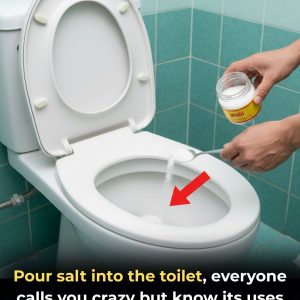
There is only one sure way to flush a toilet properly. This must be done strictly with the seat lowered and the lid closed. The fact is that germs from the toilet can be released up to 10 inches above the toilet seat with each flush. Then they can settle on the floor and other surfaces of the bathroom. This is not safe because these germs and bacteria can carry infectious diseases.
Keeping the lid closed while flushing the toilet will reduce the spread of germs. But don’t forget to wash your hands even after flushing the toilet this way. Contaminated water droplets can also be found on the toilet lid and other surfaces.
How to keep your toilet clean
It’s wrong to think that after you’ve flushed the toilet it becomes clean. Experts recommend using disinfectants that will provide a cleaner flush, and cleaning the toilet with chemicals regularly.

There are many chemicals that will not only keep your toilet and urinal clean but also protect them from limescale and bacteria. For example, toilet rim blocks provide a cleaner flush, while a special thick gel disinfects the toilet bowl.
Don’t forget to clean the toilet seat. If you need to quickly wipe it, use special wipes. However, don’t neglect a more thorough cleaning.
- To clean the toilet, take a pair of rubber gloves, paper towels, a cleaning agent, and a bucket of warm water.
- Pour the cleaning agent into the water and mix.
- Dip a paper towel in some water, wring out the excess liquid, and wipe both sides of the lid.
- Then wipe both sides of the toilet ring in the same way. If necessary, use some more cleaner.
- Pay more attention to hard-to-reach places between the toilet seat hinges.
How to wash your hands correctly
According to a study, almost half of people sometimes skip washing their hands after using the toilet, even though doing so can help prevent the spread of various diseases, such as E. coli and the flu.

How to wash your hands after using the toilet:
- Turn on the water and wet your hands.
- Use soap or another hand wash.
- Lather all over your hands and in-between the fingers.
- Wash your hands with soap for 20 seconds.
- Wash off the soap with clean water.
- Dry your hands with a clean towel or use an air dryer.
Bonus: a 130-year old patent solves the «over versus under» debate

Seth Wheeler, the inventor of perforated toilet paper, pictured his invention with the paper going up and over the roll. You can find Wheeler’s toilet paper patent in The Google Patents Database: it contains several diagrams with the paper going over the roll.
Here’s another topic that is not commonly discussed. However, when it comes to health, there’s no need to be shy. After all, by examining the appearance of feces, one can detect health issues at an early stage and address them.