
Read More: High Utility Bill? 7 Signs To Avoid Being Scammed (Internet, Electricity and More)
Home Test

Results can vary. While the Dartmouth study shows potential, some users, like Brooke, have reported little to no difference in their internet speed. Brooke tested the hack by comparing speeds in different areas of her home but found no improvement using aluminum foil.
“It didn’t quite work for me, but it’s worth trying if you’re dealing with poor Wi-Fi and want to avoid buying a Wi-Fi extender,” she notes.
Other Tools
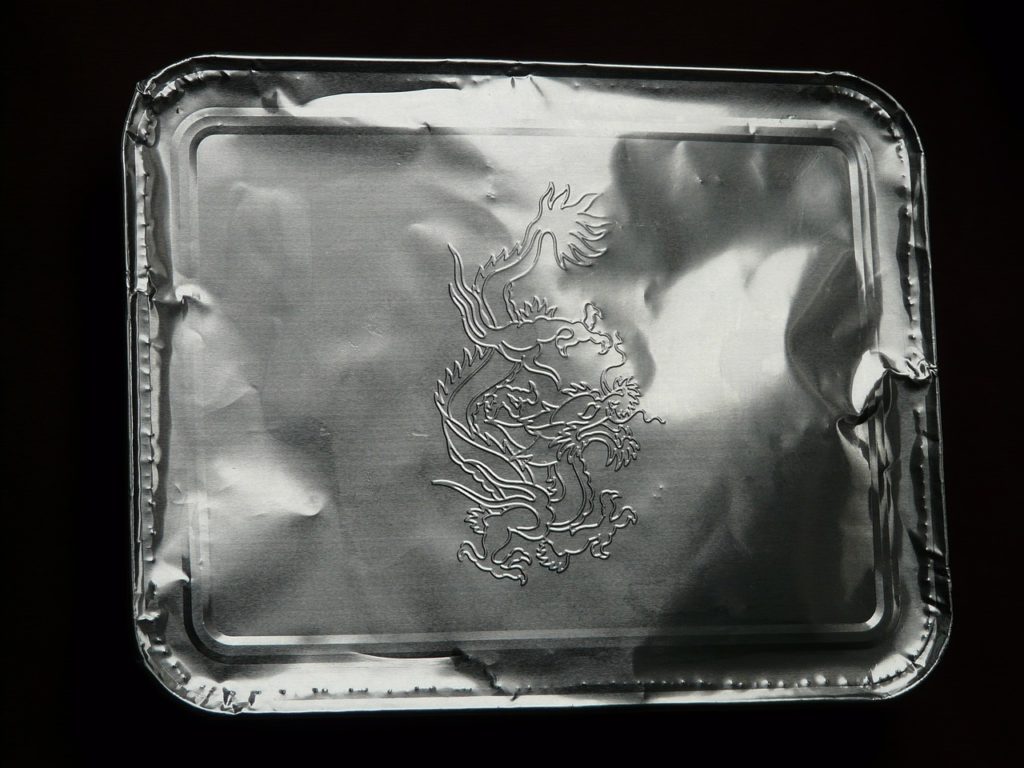
Putting aluminum foil behind your router is seemingly the easiest option but other basic household items may also be used to substitute the aluminum. Essentially, any metal item, typically, found in the kitchen. Some examples include metal baking sheets and beverage cans. The most important aspect is how they’re shaped and positioned. It’s recommended to “make sure to position them so that the curved, reflective part faces toward the area in your home where you want to amplify the Wi-Fi.”
Boosting Signal
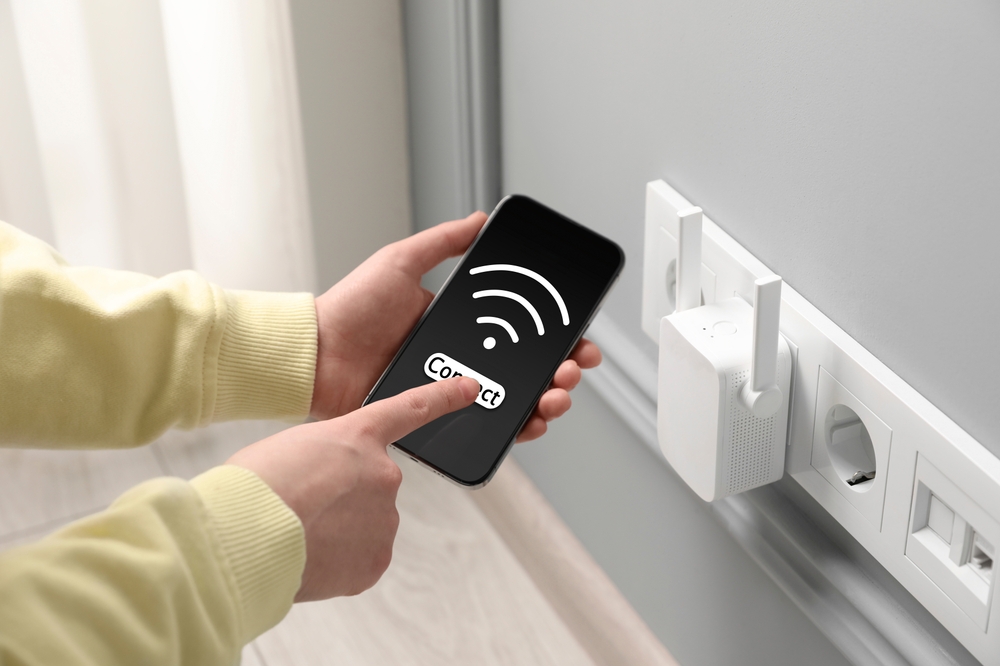
While this trick may help some users, it’s important to manage expectations. “While foil can help concentrate the signals, it’s usually not a great solution compared with upgrading your router or positioning it more optimally,” McQuiggan advises. Other solutions, like using a Wi-Fi extender or upgrading your internet plan, may provide more consistent results.
At the end of the day, putting aluminum foil behind your router is a low-cost, low-risk experiment, but don’t expect it to solve all your Wi-Fi problems. It’s worth considering, especially if other methods are out of your budget.
Read More: What Does “SOS” Stand For?


